

**Title: The Timeless Beauty of Mexican Cultured Stone: A Comprehensive Guide**
### Introduction
Mexican cultured stone has become a popular choice in both residential and commercial architecture, celebrated for its aesthetic appeal, durability, and versatility. This unique material encapsulates the rich heritage of Mexican craftsmanship while providing an eco-friendly alternative to traditional stone. In this article, we will explore the origins, characteristics, applications, and benefits of Mexican cultured stone, as well as its role in contemporary design.
### 1. What is Cultured Stone?
Cultured stone, also known as manufactured stone or faux stone, is a construction material designed to replicate the look and feel of natural stone. It is typically made from a blend of Portland cement, aggregates, and pigments, which are molded and cast into shapes that resemble various types of stone. The result is a lightweight, durable product that can be used in a variety of applications, from exterior facades to interior accents.
### 2. The Origins of Mexican Cultured Stone
The tradition of stonework in Mexico dates back thousands of years, with indigenous civilizations such as the Aztecs and Mayans utilizing local stone for temples, monuments, and sculptures. Today, Mexican cultured stone draws on these ancient techniques while incorporating modern manufacturing processes.
https://www.fs-slate.com/mosaic/ of cultured stone in Mexico can be traced to the late 20th century when artisans began experimenting with synthetic materials to create stone-like products. This innovation allowed for greater design flexibility and accessibility, making it possible to achieve the aesthetics of natural stone without the associated weight and cost.
### 3. Characteristics of Mexican Cultured Stone
Mexican cultured stone is known for its distinctive features that make it stand out in the world of construction materials. Here are some key characteristics:
#### 3.1. Aesthetic Diversity
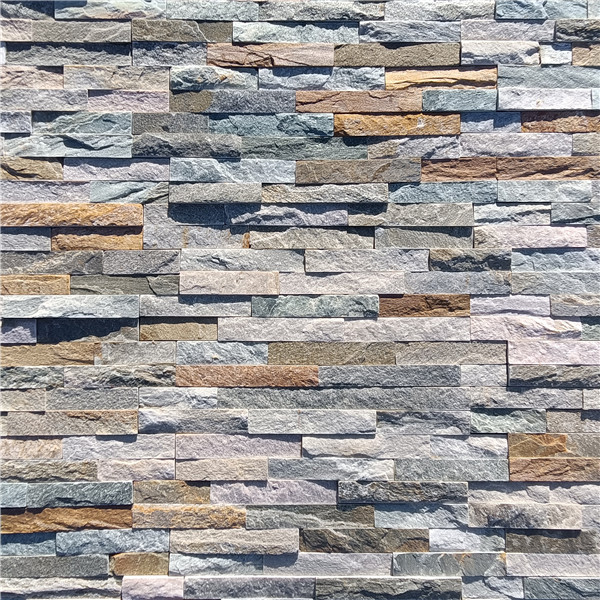
One of the most appealing aspects of Mexican cultured stone is its wide range of colors, textures, and styles. From rustic, weathered looks to sleek, modern finishes, the versatility of cultured stone allows it to complement various architectural designs. Popular styles include:
- **Limestone**: Soft, neutral tones with a natural, earthy appearance.
- **Slate**: Rich, dark colors with a textured finish, ideal for contemporary settings.
- **Fieldstone**: A mix of irregular shapes and sizes, perfect for rustic and traditional designs.
#### 3.2. Lightweight and Easy to Install
Compared to natural stone, cultured stone is significantly lighter, making it easier to transport and install. This characteristic reduces labor costs and installation time, making it a preferred choice for builders and contractors.
#### 3.3. Durability and Maintenance
Mexican cultured stone is engineered to withstand the elements, offering excellent durability in various climates. It is resistant to fading, chipping, and cracking, ensuring that it maintains its beauty over time. Additionally, cultured stone requires minimal maintenance, typically needing only occasional washing to remove dirt and grime.
### 4. Applications of Mexican Cultured Stone
The versatility of Mexican cultured stone allows it to be used in a wide range of applications:
#### 4.1. Exterior Facades
Mexican cultured stone is often used to enhance the exterior of homes and buildings. Its natural appearance adds character and charm, while its lightweight nature makes it an ideal choice for both new construction and renovations. Cultured stone can be applied to entire facades or used as an accent, creating a striking focal point.
#### 4.2. Interior Design
Inside the home, Mexican cultured stone can be used for fireplaces, feature walls, and kitchen backsplashes. Its ability to mimic natural stone allows for elegant design choices, enabling homeowners to create warm and inviting spaces.
#### 4.3. Landscaping and Hardscaping
Cultured stone is also popular in outdoor applications, including patios, walkways, and retaining walls. Its durability and weather resistance make it an excellent choice for landscaping projects, enhancing the beauty of gardens and outdoor living areas.
### 5. The Benefits of Choosing Mexican Cultured Stone
Opting for Mexican cultured stone comes with numerous advantages:
#### 5.1. Eco-Friendly Choice
Many cultured stone manufacturers prioritize sustainability, using recycled materials in their products. Additionally, the lightweight nature of cultured stone reduces the energy required for transportation and installation, making it an environmentally friendly option.
#### 5.2. Cost-Effectiveness
While natural stone can be expensive, Mexican cultured stone offers a more budget-friendly alternative. Its lower material and installation costs make it accessible to a wider range of consumers without sacrificing aesthetics.
#### 5.3. Customization Options
Manufacturers often provide a range of customization options, allowing homeowners and designers to select colors, textures, and shapes that fit their specific vision. This flexibility enables the creation of unique and personalized spaces.
### 6. The Art of Craftsmanship
The production of Mexican cultured stone is a blend of modern technology and traditional craftsmanship. Skilled artisans play a crucial role in the manufacturing process, ensuring that each piece meets high-quality standards. The attention to detail in the casting and finishing processes results in a product that closely resembles natural stone.
### 7. Installation Process
Installing Mexican cultured stone requires careful planning and execution. Here’s a general overview of the installation process:
#### 7.1. Surface Preparation
Before installation, the surface must be prepared to ensure proper adhesion. This may involve cleaning the area, repairing any damage, and ensuring that the surface is level and dry.
#### 7.2. Layout Planning
A layout plan should be created to determine the best arrangement of stones. This helps ensure a visually appealing installation and can reduce waste.
#### 7.3. Application of Mortar
A layer of mortar is applied to the surface where the cultured stone will be installed. It is essential to use the appropriate type of mortar for the specific application.
#### 7.4. Stone Placement
The cultured stones are carefully placed onto the mortar, starting from the bottom and working upward. Gaps between the stones should be filled with mortar for a seamless appearance.
#### 7.5. Grouting and Finishing
Once the stones are in place, grout is applied to fill in the joints and provide a finished look. The installation is then cleaned and sealed, if necessary.
### 8. Maintenance Tips
Maintaining Mexican cultured stone is relatively straightforward. Here are some tips to keep it looking its best:
#### 8.1. Regular Cleaning
Occasional washing with mild soap and water can help remove dirt and grime. Avoid using harsh chemicals that could damage the stone’s finish.
#### 8.2. Sealing
Depending on the specific product, sealing may be recommended to enhance water resistance and protect against stains. Consult the manufacturer’s guidelines for the best practices.
#### 8.3. Inspect for Damage
Regularly inspect the stone for any signs of damage or wear. Prompt repairs can prevent more significant issues down the line.
### 9. Trends in Mexican Cultured Stone Design
As architectural styles evolve, so do the trends surrounding cultured stone. Some current trends include:
#### 9.1. Minimalist Aesthetics
The minimalist design movement emphasizes clean lines and simplicity. Cultured stone can be used to create sleek surfaces that align with this aesthetic, particularly in modern homes and commercial spaces.
#### 9.2. Blending Materials
Designers are increasingly combining cultured stone with other materials, such as wood and metal, to create striking contrasts and unique visual effects. This approach adds depth and interest to both interiors and exteriors.
#### 9.3. Textured Finishes
Textured finishes are gaining popularity, as they create a tactile experience and add dimension to spaces. Cultured stone can be produced with various textures, enhancing the overall design.
### 10. Conclusion
Mexican cultured stone is more than just a construction material; it is a testament to the skill and creativity of Mexican artisans. With its mix of traditional craftsmanship and modern design, it offers a unique solution for those seeking beauty, durability, and sustainability in their projects.
As more homeowners and designers discover the benefits of this versatile material, Mexican cultured stone is likely to continue its rise in popularity. Whether used in residential or commercial applications, it brings a touch of timeless elegance and a connection to the rich cultural heritage of Mexico.
In summary, Mexican cultured stone represents a harmonious blend of aesthetic appeal, practicality, and cultural significance, making it an excellent choice for a wide range of architectural projects. As we move towards a future that values sustainability and unique design, cultured stone stands out as a material that beautifully meets these demands.